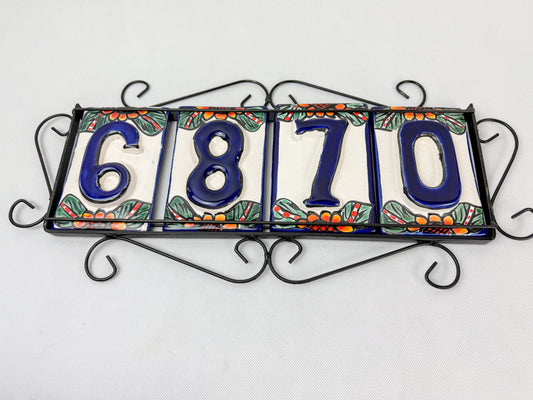
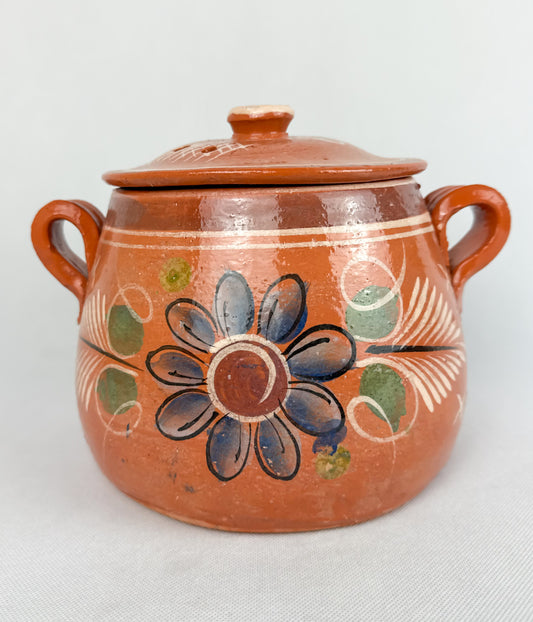
Mexican pottery is more than a decorative product — it’s a living tradition rooted in history, culture, and skilled artisanship. From vibrant Talavera pottery to earthy black clay (barro negro), these handcrafted pieces are made using natural clay, traditional techniques, and hand-painted designs passed down through generations. Whether you’re shopping for wall art, a candle holder, a Christmas tree decor piece, or meaningful gifts, Mexican ceramics bring warmth, character, and authenticity into any space.
In this guide, we’ll answer the most common questions about Mexican pottery, including safety, care, how it’s made, and where to shop authentic pieces.
What Is Mexican Pottery Called?
Mexican pottery is often referred to as barro (Spanish for clay). There are several well-known regional styles of Mexican ceramics, including:
-
Talavera pottery – Hand-painted ceramic art traditionally made in Puebla, known for intricate designs and vibrant colors.
 Shop Our Colorful Talavera Collection Shop Our Colorful Talavera Collection
|
-
Barro negro (black clay) – A striking folk art style from Oaxaca with deep black tones and sculptural designs.
 Shop Our Black Pottery Collection Shop Our Black Pottery Collection
|
-
Barro rojo and barro café – Natural clay pottery with warm, earthy finishes used for both decorative and cooking pieces.
 Shop Our Traditional Clay Collection Shop Our Traditional Clay Collection
|
Each style reflects the region, materials, and techniques used by skilled artisans in Mexico.
How Is Mexican Pottery Made?
Authentic Mexican pottery is handmade, not factory-produced. The process typically includes:
-
Shaping natural clay by hand or on a potter’s wheel
-
Air-drying the clay pieces
-
Firing them in kilns
-
Hand painting designs (especially for Talavera pottery)
-
A second firing to set the glaze
Because each piece is handmade, no two products are exactly alike — small variations are part of the beauty and authenticity of Mexican folk art.
Does Mexican Pottery Have Lead?
Some traditional Mexican pottery may contain lead-based glazes, especially older or purely decorative pieces. However, many modern artisans now use lead-free glazes that meet safety standards.
If you plan to use Mexican pottery for food or cooking, always check the product description or ask the shop whether the piece is lead-free.
Is Mexican Pottery Safe?
Mexican pottery is safe when used correctly:
-
Decorative pieces (wall art, planters, candle holders, Talavera wall decor) are completely safe for display.
-
Functional pottery is safe for food use only if it is clearly labeled as lead-free and food-safe.
When shopping, look for transparency about materials and craftsmanship.
Is Mexican Pottery Microwave Safe?
Most handmade clay pottery is not microwave safe unless specifically stated by the maker. Sudden temperature changes can cause cracking.
Talavera pottery and other hand-painted Mexican ceramics are best used for serving, not reheating.
Is Mexican Pottery Dishwasher Safe?
Mexican pottery is generally not dishwasher safe. To preserve the hand-painted designs and glaze:
-
Wash gently by hand
-
Use mild soap
-
Avoid soaking for long periods
This helps maintain the color, finish, and longevity of your pieces.
How to Cure Mexican Pottery for Cooking
If you have unglazed or natural clay pottery meant for cooking, curing is essential:
-
Submerge the clay pot in water for 12–24 hours
-
Let it air dry completely
-
Before first use, cook with water or a simple broth
-
Always heat gradually — never place on high heat immediately
This process helps strengthen the clay and prevent cracking.
Where to Buy Mexican Pottery
To ensure authenticity, buy from shops that work directly with artisans in Mexico. Look for collections that highlight:
-
Handmade and hand-painted designs
-
Natural clay and traditional techniques
-
Fair trade practices
In our shop, you’ll find a curated collection of Mexican ceramics including Talavera pottery, black